The short answer
Choose roller shades when you want a streamlined profile, broad fabric choice, and simple light control. Choose cellular shades when insulation, a soft layered look, or top-down privacy is more important. Both can be customized for light filtering, room darkening, cordless operation, and motorization.
What to know before you choose
- Roller shades offer the cleanest silhouette and a wide range of fabric looks
- Cellular shades add an insulating air-pocket structure at the glass
- Fabric opacity matters as much as shade style for privacy and darkness
- The right answer can vary by room—even within the same home
At a glance
Start with the room’s biggest problem.
If the priority is a crisp, minimal treatment that can disappear into a compact roll, roller shades are a natural starting point. If the window feels cold in winter, hot in summer, or exposed at street level, cellular shades deserve a closer look.
Neither category is automatically “better.” The best choice comes from the interaction between the window, glass, direction of light, desired privacy, and the way you want the room to look.
- Choose roller for simple lines, fabric variety, and an unobtrusive profile
- Choose cellular for added insulation and flexible privacy configurations
- Compare light-filtering and room-darkening materials in the actual room
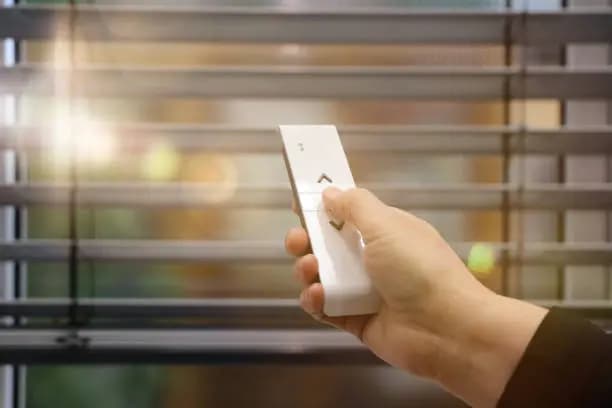
- Consider motorization for tall, grouped, or frequently adjusted windows
Comfort
Cellular shades have the insulation advantage.
A cellular shade is built with pleated pockets that form a honeycomb shape. Those pockets hold a layer of air between the room and the glass. That structure can help reduce heat transfer and soften the feeling of a cold or sun-warmed window.
The shade is one part of the window system—not a replacement for efficient glass or weather sealing—but it can be a practical comfort layer in Montana seasons. Cell size, fabric, opacity, fit, and whether the shade is fully lowered all affect performance.
Light and privacy
Opacity determines what the room feels like.
Light-filtering material softens daylight while keeping a room bright. Room-darkening material blocks substantially more light for bedrooms, nurseries, and media spaces. These choices exist in both roller and cellular collections, so shade style alone does not tell you how dark or private the room will be.
For street-facing rooms, top-down/bottom-up cellular operation can be especially useful. Lower the top for daylight while keeping the lower portion covered. Roller shades provide straightforward up-and-down control and can pair with side channels or layered treatments when stronger room darkening is needed.
- Light filtering: softened daylight with varying nighttime privacy
- Room darkening: stronger glare and light reduction, not always total blackout
- Top-down/bottom-up: daylight above with privacy below
- Outside mount: more coverage around the opening when conditions allow
Living with them
Roller shades feel tailored; cellular shades feel softly architectural.
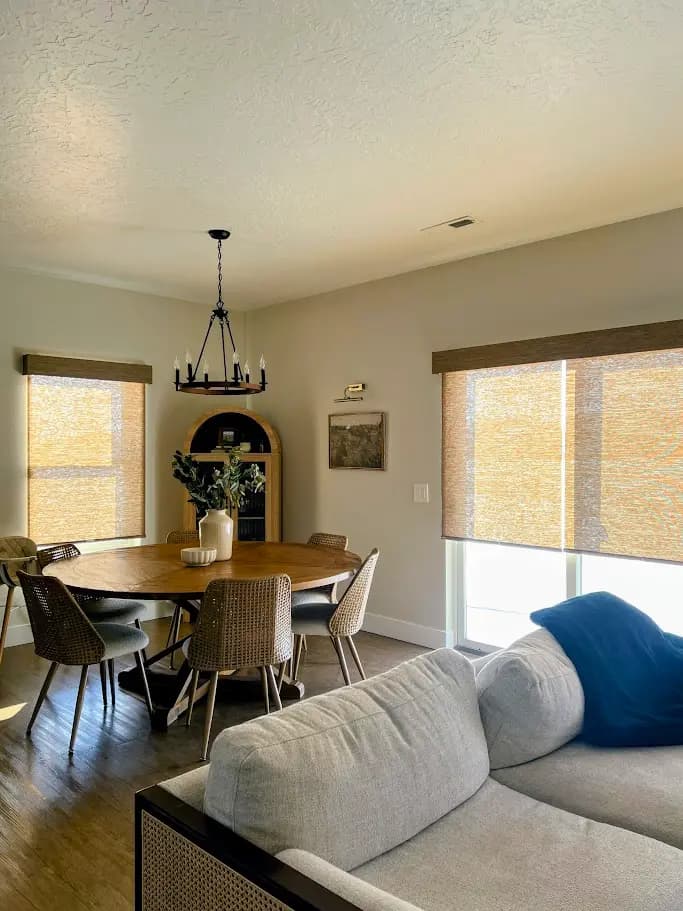
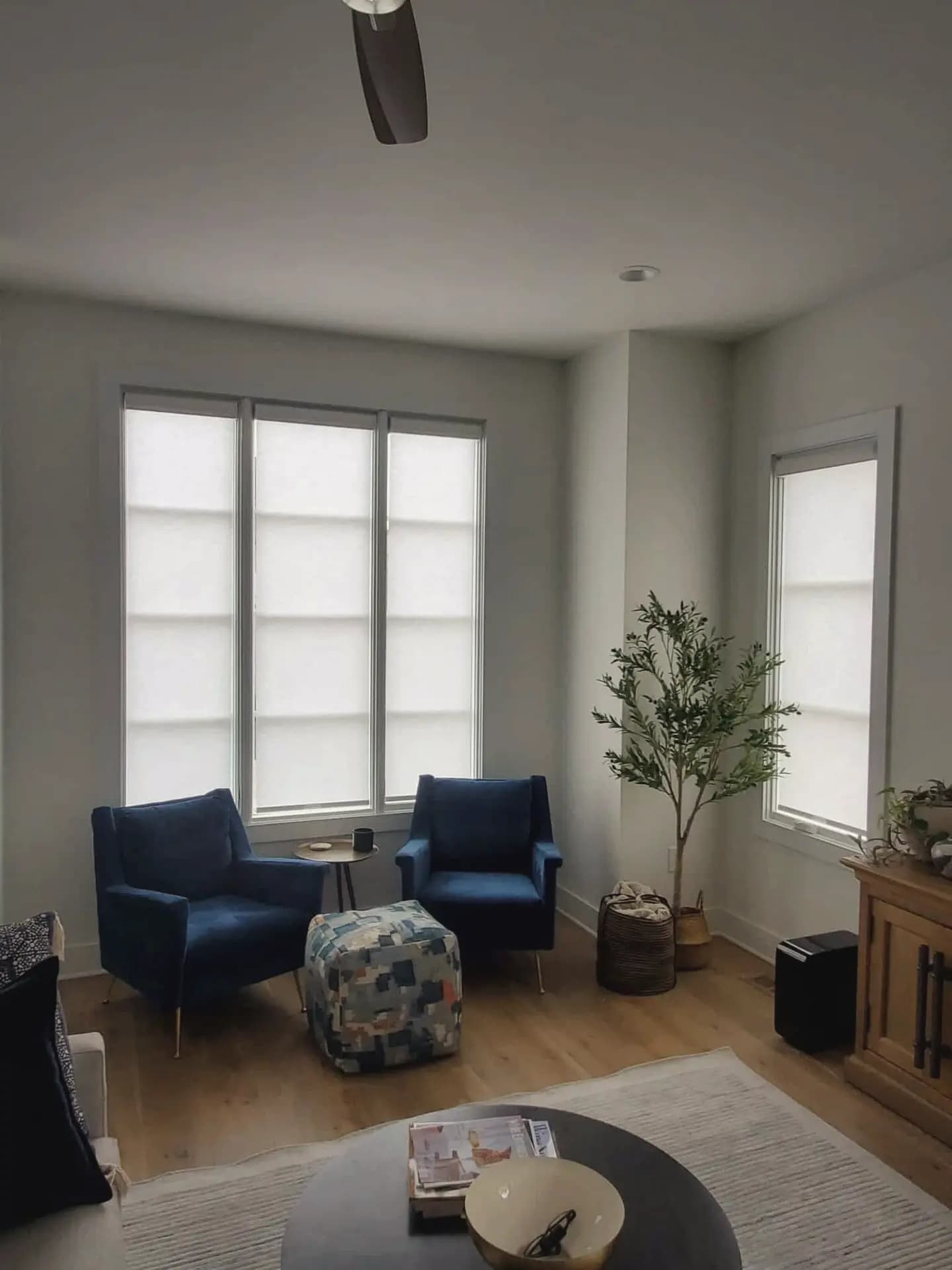
Roller shades place the fabric front and center. Depending on the textile, they can look understated, textured, woven, bold, or nearly invisible. When raised, the material rolls into a compact profile that preserves more of the view.
Cellular shades show a consistent pleated pattern. They bring gentle texture without demanding attention, and the stack remains neat when raised. Both are relatively easy to maintain with regular light dusting or gentle vacuuming according to the material’s care guidance.
Room-by-room guide
A mixed plan often serves the home best.
Using different shade types does not have to make a home feel disconnected. Coordinated colors, valances, fabrics, and hardware can create continuity while each room gets the performance it needs.
- Living room: roller for a clean view and fabric impact; cellular for comfort near large glass
- Bedroom: room-darkening cellular for insulation or room-darkening roller for a minimal profile
- Home office: glare-filtering roller or top-down cellular for daylight and privacy
- Patio door: confirm clearances and operating needs before selecting either style
- High windows: consider motorization so the treatment is easy to use
Frequently asked
Questions homeowners ask before deciding
Which is better for cold Montana winters?
Cellular shades generally have the stronger insulation story because their honeycomb pockets hold a layer of air at the window. Fit, fabric, cell construction, and use still matter.
Can roller and cellular shades both be motorized?
Yes, compatible roller and cellular collections can be motorized. Available power and control options depend on the selected product.
Which shade gives better room darkening?
Both can use room-darkening materials. Edge light, mounting style, window depth, and surrounding trim affect the final result, so compare the complete installation rather than fabric alone.
Are cellular shades difficult to clean?
Routine light dusting or gentle vacuuming is usually enough. Care instructions vary by fabric, and stains should be handled according to the manufacturer’s guidance.
See the options in your room
A better answer starts at the window.
Eclipse brings product samples to your Great Falls home, measures the openings, and helps compare the choices in the light where they will actually live.